Cold Plunging: What It Means, Benefits & How to Start
Cold Plunging: The Wellness Trend Worth Trying
Alright, self-care queens, let’s talk about the wellness trend that’s literally taking over our feeds—cold plunging. If you’ve seen people willingly dunking themselves into ice baths and thought, Why would anyone do that?!, you’re not alone. But trust me, this isn’t just another fad—it’s a total game-changer for your mind, body, and energy levels.
So grab your matcha, let’s break down why everyone is obsessed with cold plunging (and why you should be too!).
What is Cold Plunging?
Cold plunging (aka cold water immersion) is exactly what it sounds like—submerging yourself in cold water for a short period of time. Whether it’s a fancy ice bath, a cold shower, or a natural lake dip, the goal is to expose your body to chilly temperatures (50°F or below) to unlock a crazy number of health benefits.
And before you say “No way, I hate being cold”, just know that even 30 seconds in cold water can work wonders.
The Science Behind Cold Plunging
If you’ve ever heard of Wim Hof (aka “The Iceman”), you know that cold exposure isn’t just about toughness—it’s backed by real science. In 2020, a friend of mine introduced me to his Instagram and I was so intrigued! She told me all about its benefits while we were in Sedona, Arizona in February. The very next day, we went to the creek in our swimsuits where the water was freezing and dipped down into it for an entire five minutes. After about three minutes I felt totally numbed out and it ached a little bit. But we focused on our breathing together and that made it easier. Afterwards, I got out of the water and got a huge rush of energy. I was awakened and so energized for the day! So if trying out a cold plunge intrigues you, too - keep reading.
A 2021 study in the International Journal of Circumpolar Health found that cold exposure can improve immune function, reduce inflammation, and boost mental resilience. Other research suggests that cold water immersion stimulates the vagus nerve, which helps regulate stress, anxiety, and even sleep quality.
Translation? Cold plunging = better mood, less stress, and a healthier body.
Cold Plunge Benefits: What the Research Shows
If you’re wondering why so many people are voluntarily freezing themselves, here’s why:
1. Boosts Your Mood & Fights Stress
- Cold water triggers the release of dopamine and endorphins, aka your brain’s feel-good chemicals.
- It also lowers cortisol levels, meaning less stress and anxiety.
2. Strengthens Your Immune System
- Cold plunging has been shown to increase white blood cell count, which helps your body fight off illness.
- It also reduces chronic inflammation, which is linked to everything from joint pain to autoimmune diseases.
3. Increases Energy & Focus
- Ever feel groggy in the morning? A quick cold plunge wakes you up instantly by increasing blood circulation and oxygen flow.
- Many people say it gives them better focus and productivity throughout the day (I totally felt this).
4. Improves Sleep Quality
- Cold exposure lowers your core body temperature, which signals to your brain that it’s time to rest.
- It also helps regulate your nervous system, leading to deeper, more restorative sleep.
5. Speeds Up Muscle Recovery
- Athletes swear by ice baths because they reduce muscle soreness and inflammation after workouts.
- Even if you’re not hitting the gym daily, a cold plunge can help ease tension and stiffness.
How to Start Cold Plunging Safely
Okay, so you’re convinced, but how do you actually do it without screaming? Here’s how to ease into it:
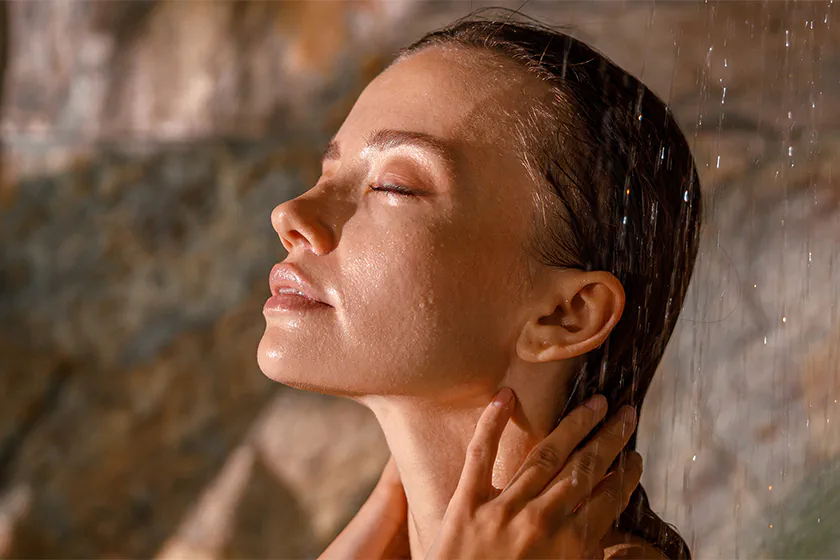
- Start with Cold Showers – Turn your water cold for the last 30 seconds of your shower and build up to longer times.
- Go for a Natural Dip – If you live near a lake, river, or ocean, try a quick plunge like I did at the creek in Sedona (bonus: nature therapy!).
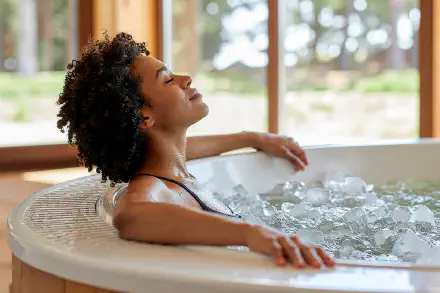
- Try a DIY Ice Bath – Fill your tub with cold water and ice, then start with 1-2 minutes and gradually increase. I’ve also seen some people use frozen water bottles so they can re-use them.
- Focus on Your Breath – Deep, slow breathing helps you relax and fight the initial shock. Inhale for 4 seconds, exhale for 6. Practicing this with my friend during my first cold plunge in the creek is the only reason I was able to do it - highly recommend.
Where to Find a Cold Plunge Near You
If you want the full experience without filling your bathtub with ice, check out these options:
- Wellness spas & recovery centers – Many now offer guided cold plunge experiences. For example, in Arizona there are locations called Optimyze with cold baths.
- Cryotherapy & float therapy studios – Some have cold immersion tubs alongside their services.
- Local gyms & biohacking studios – Check if your gym offers a cold plunge station (some are starting to add them!).
- Outdoor lakes, rivers, or beaches – Nature’s cold plunge—just make sure it’s safe before diving in!
Is Cold Plunging Worth It?
YES. If you’re looking to reduce stress, boost energy, improve sleep, and just feel like a total badass, cold plunging is so worth it. Plus, it’s one of the most cost-effective wellness hacks—because, let’s be real, ice is cheaper than a fancy supplement.
So go ahead, take the plunge, and chill your way to a stronger, happier you. You got this!
FAQs
What does cold plunging mean?
Cold plunging, also called cold water immersion, means submerging your body in cold water — typically 50°F (10°C) or below — for a short period of time. It can be done in an ice bath, a cold shower, or a natural body of water like a lake or creek. Even 30 seconds of cold exposure is enough to trigger a range of physiological benefits.
What are the benefits of cold plunging?
Cold plunging offers a wide range of benefits including improved mood, reduced stress, stronger immune function, better sleep, and faster muscle recovery. It works by triggering dopamine and endorphin release, lowering cortisol, reducing inflammation, and stimulating the vagus nerve. Research published in the International Journal of Circumpolar Health supports its effects on immune function and mental resilience.
Does cold plunging help with stress and anxiety?
Yes. Cold water immersion stimulates the vagus nerve, which plays a key role in regulating the body's stress response. It also lowers cortisol — the hormone associated with chronic stress — and triggers the release of dopamine and endorphins. Regular cold plunging can meaningfully improve your ability to manage daily stress and anxiety.
Can cold plunging improve sleep quality?
Yes. Cold exposure lowers your core body temperature, which is the same signal your brain uses to initiate rest. It also helps regulate the nervous system, supporting deeper, more restorative sleep. Cold plunging is a natural way to support your sleep cycle without relying on supplements.
Does cold plunging speed up muscle recovery?
Yes. Cold water immersion reduces muscle soreness and inflammation after physical activity, which is why athletes have long relied on ice baths. Even if you're not training at a high level, a cold plunge can help ease general tension and stiffness in the body after exercise.
How do you start cold plunging if you've never done it before?
The easiest way to begin is by ending your regular shower with 30 seconds of cold water, then gradually increasing the duration over time. From there, you can progress to a DIY ice bath or a natural body of water. Focusing on slow, controlled breathing — inhaling for 4 seconds and exhaling for 6 — makes the initial cold shock significantly easier to manage.
 Dr. Steph Dorworth, PT, DPT, MTC, CSCS, CNC, is a doctor of physical therapy, certified strength and conditioning coach, Pilates instructor, Stick Mobility practitioner, and certified nutrition coach. After seven years in clinical practice, she transitioned to online entrepreneurship and video content creation. Dr. Dorworth is passionate about helping individuals build sustainable, healthy habits for long-term well-being. Combining expertise in physical therapy, fitness, mobility, and nutrition, she delivers engaging, evidence-based guidance to empower clients on their wellness journey.