Yoga for Longevity: 3 Ways It Helps You Live Longer
Is Yoga Good for Longevity?
Exercise is one of the most powerful ways to improve your odds of living a long and healthy life. Endurance exercise (cardio) keeps your heart, lungs, and blood vessels healthy, while strength training is great for your bones and muscles. These two types of exercise are commonly included in people’s fitness routines.
At the same time, there are also a few other components of fitness that are important for longevity, including flexibility and balance. One great way to incorporate these aspects into your fitness routine is to practice yoga. This ancient practice has become very popular in the modern world, and it can be a great way to round out your exercise plan, ensuring that you’re addressing all of the components of fitness.
Here are three ways that yoga can help you to live a longer and healthier life.
Flexibility and Longevity: What the Research Shows
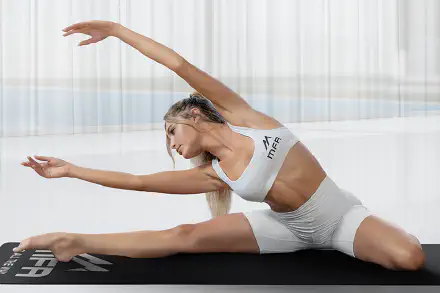
A yoga practice involves stretching virtually all of the muscle groups in the body, which leads to improved flexibility. Being more flexible can help to release tension and reduce physical discomfort, but the benefits go beyond that.
A number of studies have found that greater flexibility is strongly associated with a longer lifespan. In one recent study, those who were the most flexible were between 2 and 5 times less likely to die over the next 12 years, compared with those who were the least flexible.
This is partly because of the impact of stretching on blood vessels. As a person ages, the arteries throughout their body become stiffer. Stiff arteries are more likely to become damaged, leading to a heart attack or stroke. Stretching the body helps to keep the arteries more elastic, so that they don’t stiffen up as much—which in turn reduces the chances of a serious medical issue.
Balance Training: A Key Factor for Living Longer
Balance is also crucial for protecting your long-term health. As people age, they commonly begin to experience trouble with balance. This increases the risk of a fall, which can cause a serious injury like a fracture (a broken bone).
Fractures can impact a person’s ability to lead their daily lives, sometimes even making it impossible for them to continue to live on their own. They can even affect lifespan—the risk of death is 5 to 7 times higher in the three months following a hip fracture. In fact, one large study found that a simple test of balance (being able to stand on one foot for ten seconds) strongly predicts a person’s risk of dying over the next 7 years.
To reduce your risk of falling and breaking a bone, it’s important to train your balance. Most yoga practices include a significant amount of balance training.
Stress Management and Longevity
Stress can have a huge impact on your longevity. People with higher stress levels have an increased risk for many serious diseases, including heart disease, diabetes, and strokes.
Everyone experiences stressful situations from time to time. We can’t always control what happens around us, but we can learn to control how we react to it. By learning effective stress management techniques, you can reduce the impact of stress on your body and mind.
One distinguishing feature of yoga is that it focuses on the mind in addition to the body. During a yoga class, you’ll practice keeping your mind clear and calm, which can help to relieve the stress of your day. The stress management skills you learn in yoga can also be used outside of your yoga class, to help you stay calmer when you find yourself in a stressful situation.
Yoga for Longevity: How to Choose the Right Class
There are many different types of yoga, and they can vary quite a bit in terms of the types of movements that you do in a class. Some are designed to be physically challenging, while others focus on relaxation. Some move through poses more quickly, while others spend more time in each pose.
Virtually any type of yoga class can be beneficial for flexibility, balance, and stress management. There really isn’t one “best” type of yoga. Just try different yoga classes until you find one that connects with you. This is a great way to round out your fitness routine and improve your long-term well-being.
FAQs
Is yoga good for longevity?
Yes. Yoga improves flexibility, balance, and stress management — three factors strongly linked to a longer, healthier life. Greater flexibility is associated with lower mortality risk, good balance reduces the danger of falls and fractures, and effective stress management lowers the risk of heart disease, diabetes, and stroke.
Does yoga make you live longer?
Yoga targets flexibility, balance, and stress — areas that research connects to reduced mortality risk. While no single practice guarantees longevity, yoga's combined benefits are well supported by evidence.
How does yoga compare to weight lifting for longevity?
Yoga and weight lifting address different aspects of fitness. Strength training supports muscle mass and bone density, while yoga improves flexibility, balance, and stress management. The two complement each other well, and combining both gives you broader coverage of the components that support long-term health.
What are the main benefits of yoga for longevity?
Yoga's three main longevity benefits are improved flexibility, better balance, and stress management. Flexibility keeps arteries more elastic and reduces cardiovascular risk. Good balance helps prevent falls and fractures, which carry significant mortality risk. Stress management skills from yoga reduce the long-term impact of chronic stress on the body.
What type of yoga is best for longevity?
There is no single best type — virtually any style of yoga can improve flexibility, balance, and stress management. Some classes are more physically demanding while others focus on relaxation, but all share the core benefits that support long-term health. The most important factor is finding a style you enjoy and will practise consistently.
 Dr. Patricia Shelton, MD, is a medical communicator, neuroscientist, and educator with a passion for making complex medical information accessible. With a Doctor of Medicine and a Neuroscience degree from the University of Washington, she combines deep expertise with exceptional communication skills. Dr. Shelton teaches anatomy and physiology, writes on medical topics, and authored *The Yoga Doctor*. A certified yoga and meditation instructor, she champions a holistic approach to wellness and empowers audiences through clear, engaging health education.